Earthquake preparedness starts with clear agreements and a few practical changes at home. You do not need to guess when the next earthquake will happen. Decide where to protect your head, how to reconnect with family and which official instructions apply where you live.
Look around each room before the ground starts moving
Walk from your bed to the door and from your work area to nearby cover. Notice objects that could fall, shatter or block the route. CDC recommends securing tall furniture and putting heavy objects on lower shelves. Choose fixings suitable for the furniture and wall, with qualified help where needed.
Identify accessible cover in each room and show everyone where it is. A specific sturdy table is easier to remember than a vague instruction to avoid danger. This household review does not assess the building’s structural safety. If you rent, discuss furniture anchoring with the property owner before making changes.
Practice protective actions while you can think calmly
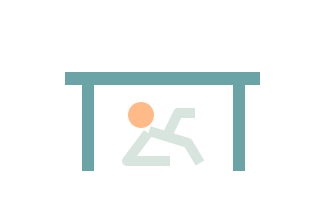
CDC’s advice for most situations is to drop onto your hands and knees, cover your head and neck beneath a sturdy table and hold on until shaking stops. Without nearby shelter, protect your head and neck with your arms and keep away from glass and objects that could fall. Stay inside during shaking and avoid elevators.
If you are already outdoors, remain outdoors and move away from buildings and wires toward an open area when you can do so safely. Discuss mobility needs with local preparedness services beforehand. A useful drill fits the people who will use it; it should not assume that everyone can get down or move at the same speed.
Agree on communication before networks become busy
Ready.gov’s family communication plan suggests choosing a shared contact outside the area and agreeing on meeting places. Keep the details on paper as well as on a phone. Ask about your children’s school reunification procedures and decide who can assist a relative with limited mobility.
For example, agree on a second meeting place if your street becomes inaccessible. A short message giving a location and naming the people with you is more useful than repeated calls without clear information. CDC recommends saving calls for emergencies after a disaster; texts may be more reliable, although their delivery is never assured.
Check for immediate hazards after the shaking
Be ready for further shaking and take cover again when it starts. Keep away from damaged buildings and fallen power lines. Do not enter a damaged structure until local authorities allow it. Use a flashlight after a power outage. If you suspect a gas leak, avoid creating sparks and follow the local utility’s emergency instructions.
On a coast, strong or long shaking, unusual ocean behavior or a loud ocean roar can be a natural tsunami warning. As soon as you can move safely, follow local evacuation routes out of the hazard zone toward high ground or inland. Do not delay to check an app. Instructions from local authorities take priority.
Use the app to support preparation between emergencies
Earth & Volcano Explorer includes a family checklist, learning material and regions saved on your device. Mark a task complete after checking it in real life: test the flashlight, confirm the numbers and understand the route. Review the list after a move or a change in family needs. A check mark records a task, not a safety assessment.
The USGS catalog covering the past 24 hours helps you explore reported events. The app does not predict earthquakes, provide earthquake early warning or currently deliver real background push notifications. Follow the official channels available in your country. A short, repeated practice session gives your family a plan they can actually remember.
FAQ
Should I shelter in a doorway?
CDC does not recommend treating a typical doorway as protective cover. It does not shield you from most falling objects. Choose a place where you can drop, protect your head and neck and hold on.
Does completing the checklist mean we are prepared?
The checklist is a reminder. Check the supplies, discuss everyone’s assistance needs, practice and update the plan. Neither a completed list nor an app guarantees safety.
Sources
This is educational information. For emergency decisions, follow local authorities and official warnings.